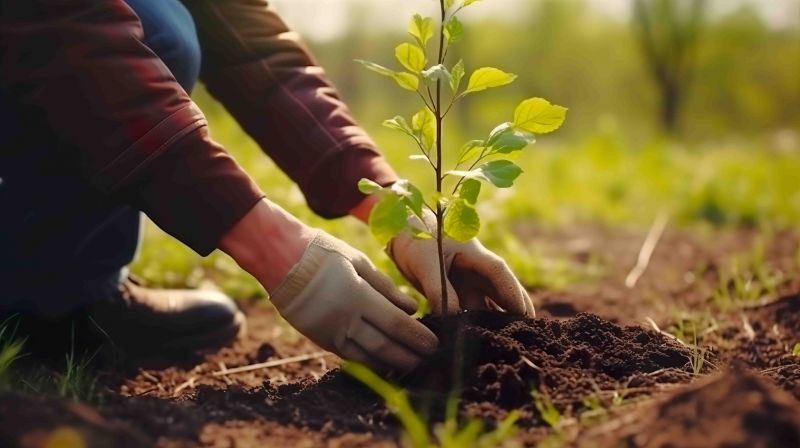
Japanese Cherry Tree Planting in Honolulu, HI
Japanese Cherry Tree Planting services involve selecting and planting these iconic trees to enhance the beauty and appeal of residential properties. This service typically covers projects such as establishing new cherry blossom trees in yards, creating focal points along walkways, or adding seasonal color to gardens and landscapes. Property owners often want to understand the best locations for planting, the ideal tree varieties for their climate, and how to ensure proper growth and health of the trees over time.
Before requesting Japanese Cherry Tree planting, homeowners usually seek guidance on site preparation, suitable planting times, and maintenance considerations. It’s important to consider factors like sunlight exposure, soil conditions, and spacing to promote healthy development. Clear communication about these aspects helps ensure the trees thrive and contribute to the property's aesthetic and value, making the planting process smooth and successful.
Many property owners in Honolulu, HI look into Japanese Cherry Tree Planting for repairs, replacements, upgrades, and appearance-related improvements.
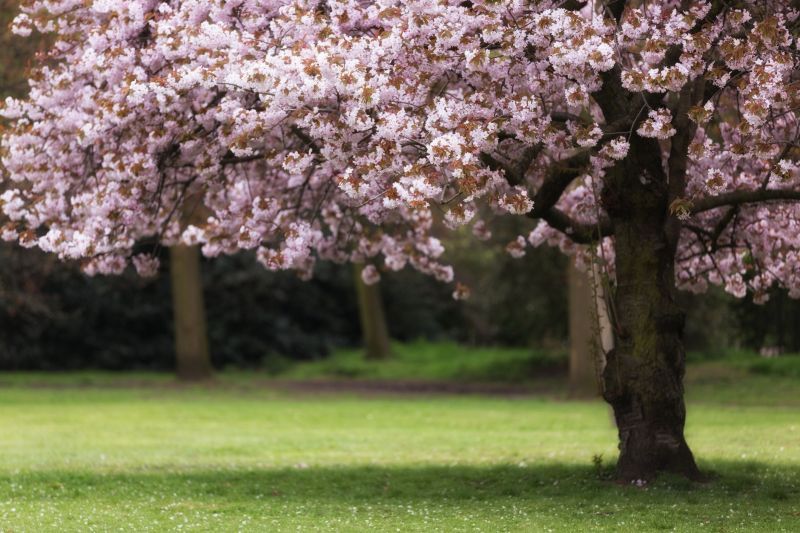
Cherry Tree Selection
Choosing the right varieties for aesthetic appeal and local climate is essential for successful planting.
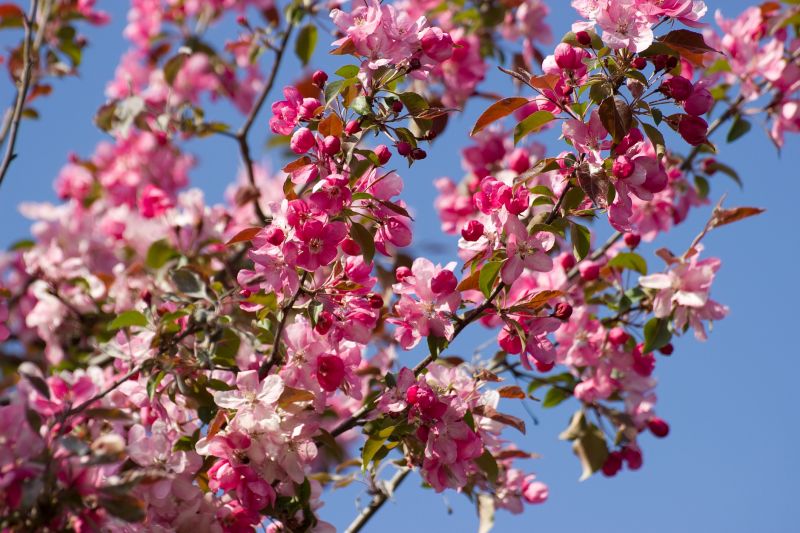
Planting And Care
Proper planting techniques and ongoing maintenance help ensure healthy growth and vibrant blooms.
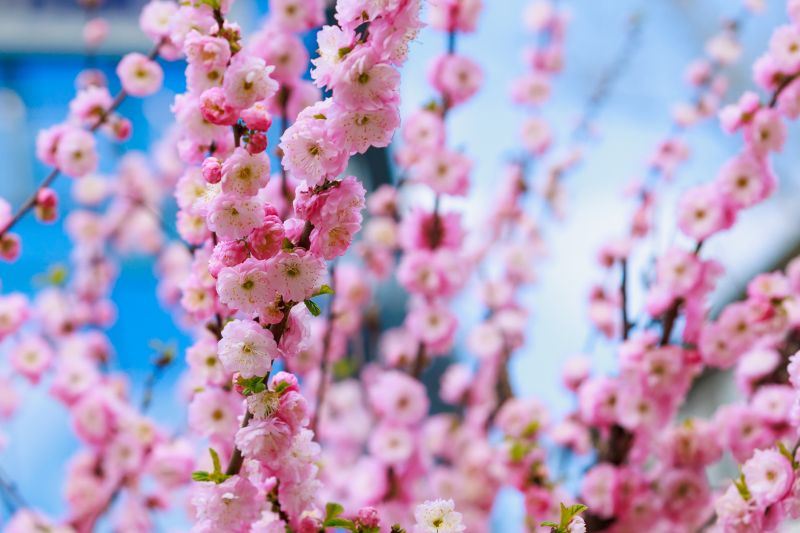
Landscape Integration
Incorporating cherry trees into existing gardens enhances visual interest and complements outdoor spaces in honolulu.
Japanese Cherry Tree Planting in Honolulu, HI
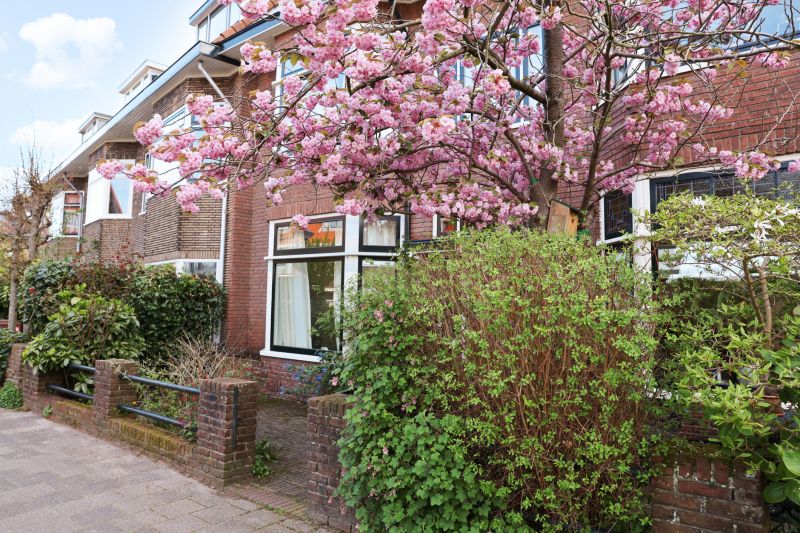
Japanese Cherry Tree Planting services involve selecting and planting these iconic trees to enhance the beauty and appeal of residential properties. This service typically covers projects such as establishing new cherry blossom trees in yards, creating focal points along walkways, or adding seasonal color to gardens and landscapes. Property owners often want to understand the best locations for planting, the ideal tree varieties for their climate, and how to ensure proper growth and health of the trees over time.
Before requesting Japanese Cherry Tree planting, homeowners usually seek guidance on site preparation, suitable planting times, and maintenance considerations. It’s important to consider factors like sunlight exposure, soil conditions, and spacing to promote healthy development. Clear communication about these aspects helps ensure the trees thrive and contribute to the property's aesthetic and value, making the planting process smooth and successful.
Many property owners in Honolulu, HI look into Japanese Cherry Tree Planting for repairs, replacements, upgrades, and appearance-related improvements.
Common Japanese Cherry Tree Planting Jobs
Japanese Cherry Tree Planting - Enhances landscape beauty with iconic flowering trees.
Garden planting services - Adds seasonal color and visual interest to residential yards.
Tree installation projects - Provides shade and aesthetic appeal for outdoor spaces.
Ornamental tree planting - Creates focal points and natural privacy screens.
Landscape enhancement - Complements existing garden features with carefully selected trees.
Property beautification - Increases curb appeal through strategic cherry tree placement.
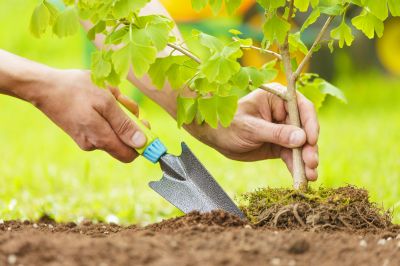
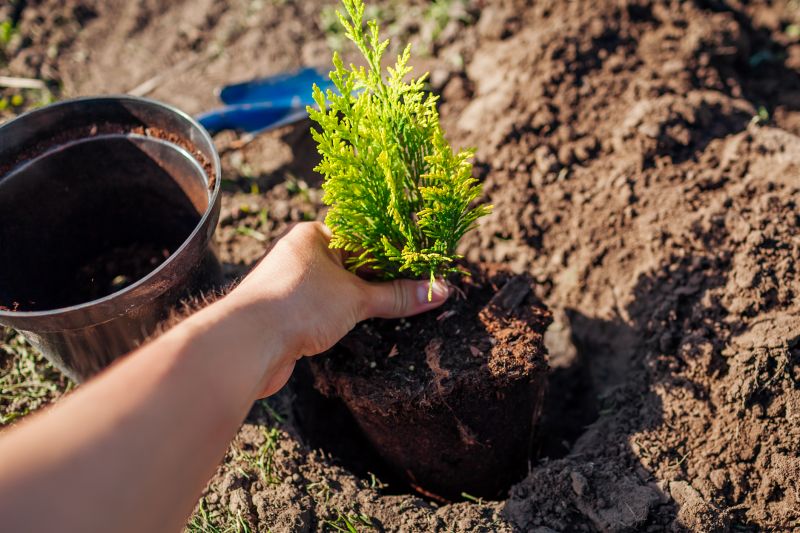
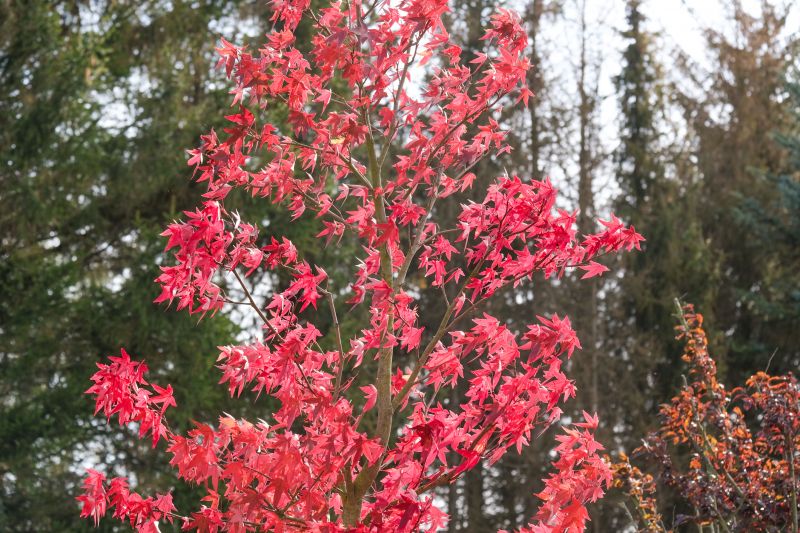
Japanese Cherry Tree Planting Questions
What types of cherry trees are suitable for planting? There are several varieties, including Yoshino and Kwanzan, that adapt well to local conditions and landscape preferences.
When is the best time to plant a Japanese Cherry Tree? The ideal planting season is during early spring or fall, when conditions promote healthy root development.
How much space does a cherry tree need? Most Japanese cherry trees require enough room for their canopy to grow without obstruction, typically 10 to 20 feet apart.
What should property owners consider before planting? It's important to consider sunlight exposure, soil quality, and proximity to structures to ensure proper growth and health.
Request Japanese Cherry Tree Planting in Honolulu, HI
Use the quote form on this page to share the basics of your project and request more information for the type of work you need.