Get Arborist Inspection in Bergen County, NJ
Arborist inspection services for Bergen County property owners identify tree health issues, safety concerns, and guide pruning, removal, or planting projects to protect your landscape.
Property owners in Bergen County, NJ, who are considering landscape improvements, tree health assessments, or safety inspections often find value in professional arborist services. Conducting a thorough tree inspection can help identify potential hazards, ensure the longevity of mature trees, and support planning for future projects such as yard renovations or new plantings. Exploring options among local contractors allows property owners to compare expertise and approaches, ensuring they select a provider well-suited to their specific needs.
Understanding the condition of trees and their surrounding environment is an important step in maintaining a safe and attractive property. Local service providers specializing in arborist inspections can offer insights into tree health, structural stability, and appropriate care strategies. Continuing to explore available options can help property owners make informed decisions about managing their landscape and ensuring the safety and beauty of their outdoor space.
- Tree Inspection - needed when identifying potential hazards or disease risks in mature trees along residential streets in Bergen County neighborhoods.
- Storm Damage Assessment - required after severe weather events to evaluate the safety of trees near homes and power lines.
- Risk Evaluation - essential for property owners planning construction or landscaping projects that involve existing trees.
- Tree Health Check - recommended when noticing unusual growth patterns or decline in trees around suburban communities.
- Pre-Removal Inspection - necessary before removing trees to ensure proper planning and safety compliance in local areas.
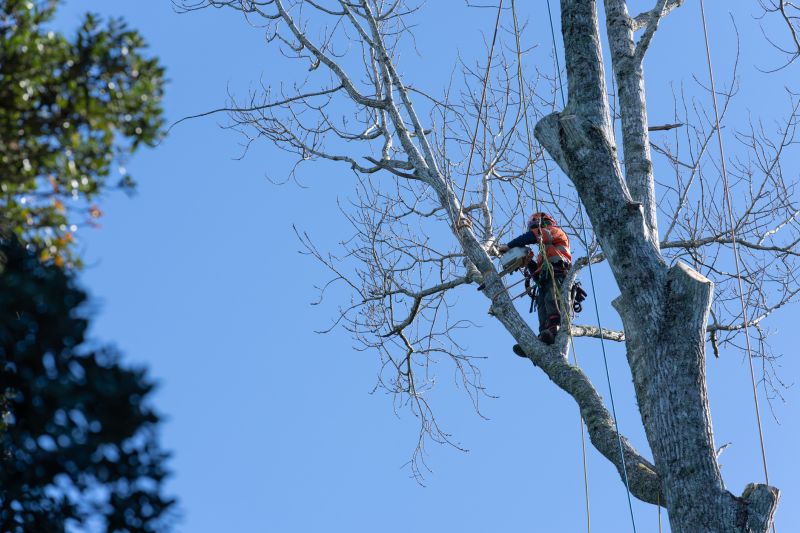
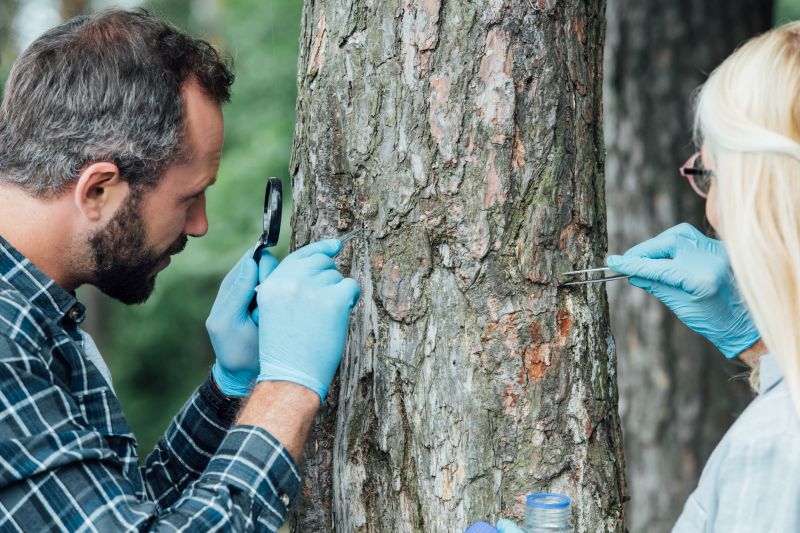
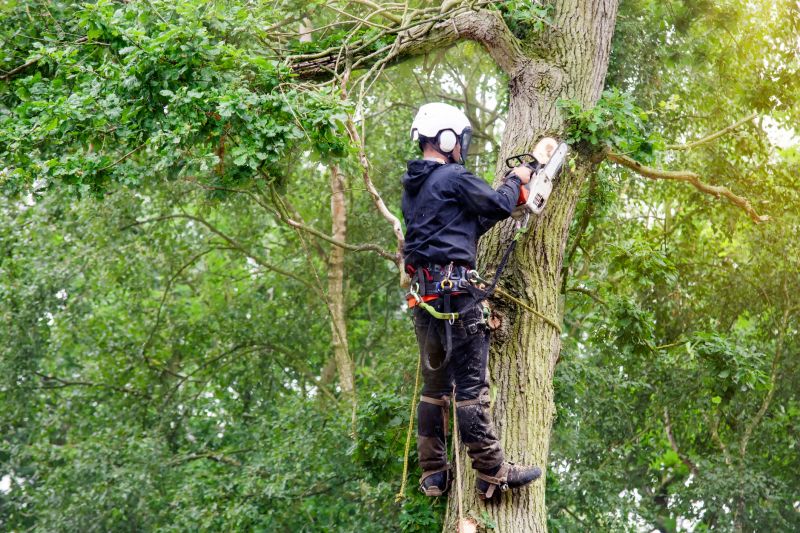
Arborist inspection services involve a thorough assessment of trees on residential, commercial, or public properties to evaluate their health, stability, and overall safety. Skilled service providers examine trees for signs of disease, decay, pest infestations, structural issues, or other conditions that could pose a risk. This detailed evaluation helps property owners understand the current state of their trees and identify potential problems before they develop into more serious concerns. An arborist inspection typically includes visual examinations, assessments of tree structure, and recommendations for any necessary maintenance or interventions to preserve tree health and safety.
These inspections are especially useful in identifying issues that might not be immediately visible but could lead to hazards such as falling branches, leaning trees, or uprooting. For example, trees with internal decay or compromised roots can become unstable during storms or high winds, creating safety risks for people and property. An inspection can also detect early signs of pest infestations or disease, enabling timely treatment that can save a tree from decline or removal. Property owners who notice dead branches, cracks, or leaning trees are encouraged to seek an arborist inspection to determine the best course of action.
Many types of properties benefit from arborist inspections, including single-family homes, apartment complexes, commercial buildings, parks, and municipal spaces. Homeowners with mature or large trees often request inspections to ensure their safety and protect their investment. Commercial property managers and facility owners use these services to maintain safe environments for employees and visitors. Public parks and government agencies also rely on arborist assessments to manage urban forestry programs and keep public spaces safe and healthy. In areas prone to storms or high winds, regular inspections can be an important part of property maintenance and risk management.
Homeowners and property managers should consider arborist inspections when they notice unusual tree conditions or are planning landscape improvements. If a tree shows signs of damage, such as cracking, leaning, or dead branches, an inspection can determine whether it needs pruning, treatment, or removal. Additionally, properties with aging or large trees often benefit from periodic evaluations to monitor their health and structural integrity over time. By connecting with experienced local service providers, property owners can gain peace of mind knowing that their trees are being properly assessed and maintained, helping to prevent accidents and preserve the beauty of their surroundings.
The overview below groups typical Arborist Inspection projects into broad ranges so you can see how smaller, mid-sized, and larger jobs often compare in Bergen County, NJ.
In many markets, a large share of routine jobs stays in the lower and middle ranges, while only a smaller percentage of projects moves into the highest bands when the work is more complex or site conditions are harder than average.
Smaller Tree Inspections - typical costs range from $250-$600 for routine assessments of individual trees or small properties. Many projects in this range are straightforward inspections with minimal complexity. Larger or more detailed evaluations can exceed this range, especially for multiple trees or complex environments.
Moderate Tree Assessments - these inspections usually cost between $600-$1,200 and are common for properties needing comprehensive evaluations or follow-up reports. Many local contractors handle these within this band, though highly detailed or extensive inspections can push costs higher.
Large or Complex Inspections - projects involving multiple trees, large properties, or special considerations often fall into the $1,200-$3,000 range. These are less frequent but necessary for detailed risk assessments or pre-removal evaluations on bigger sites.
Full Tree Replacement Evaluation - assessing and planning for complete tree removal and replacement can start around $2,500 and go beyond $5,000 for extensive landscape projects. Such projects are typically less common but involve significant planning and detailed site analysis by local service providers.
Actual totals will depend on details like access to the work area, the scope of the project, and the materials selected, so use these as general starting points rather than exact figures.
Tree Risk Assessment - professionals evaluate tree stability and health to identify potential hazards, similar to arborist inspections for safety and structural integrity.
Landscape Planning and Design - local contractors use planning skills and knowledge of plant health, which align with the assessment and evaluation processes in arborist inspections.
Storm Damage Inspection - service providers assess trees and property after storms to determine damage, paralleling the detailed evaluation in arborist inspections.
Tree Pruning and Removal - experienced crews plan and execute pruning or removal based on tree condition assessments, requiring similar skills to arborist evaluations.
Urban Forestry Management - specialists develop strategies for maintaining healthy city trees, involving planning and inspection techniques akin to arborist services.
Hazard Tree Removal - local contractors identify and safely remove dangerous trees, utilizing assessment skills comparable to those used in arborist inspections.
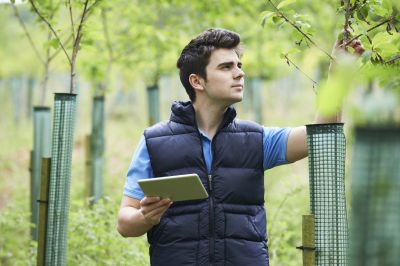
When comparing arborist inspection services, it’s important to consider the experience of local service providers with similar projects. Homeowners should look for professionals who have a proven track record in assessing trees and landscapes comparable to their own property. An experienced arborist understands the specific challenges and requirements of local trees, weather conditions, and landscape features, which can contribute to more accurate evaluations and recommendations. Gathering information about a contractor’s history with similar inspections can help ensure that the chosen professional has the necessary expertise to handle the unique aspects of the job.
Clear, written expectations are essential when evaluating potential service providers. Homeowners should seek detailed descriptions of the scope of work, what the inspection will include, and any follow-up recommendations. Having this information in writing helps prevent misunderstandings and ensures that both parties are aligned on the project’s goals. Reputable local contractors are transparent about their services and provide comprehensive explanations, making it easier for homeowners to make informed decisions and feel confident about the inspection process.
Good communication and reputable references are key indicators of reliable arborist inspection services. Homeowners are encouraged to ask for references from previous clients who had similar inspections and to inquire about their experiences. Positive feedback and clear communication from the service provider can reveal how well they understand client needs and how effectively they convey findings and recommendations. Ultimately, choosing a local arborist inspection professional who demonstrates professionalism, responsiveness, and a solid reputation can lead to a smoother process and better outcomes for the property.
Property owners in Bergen County, NJ use Arborist Inspection services for practical projects around their homes and businesses. This guide focuses on everyday jobs and straightforward project options.
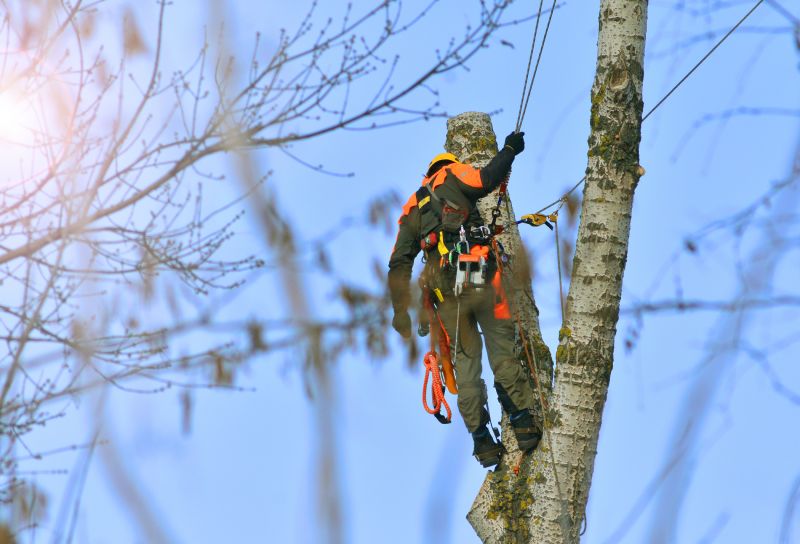
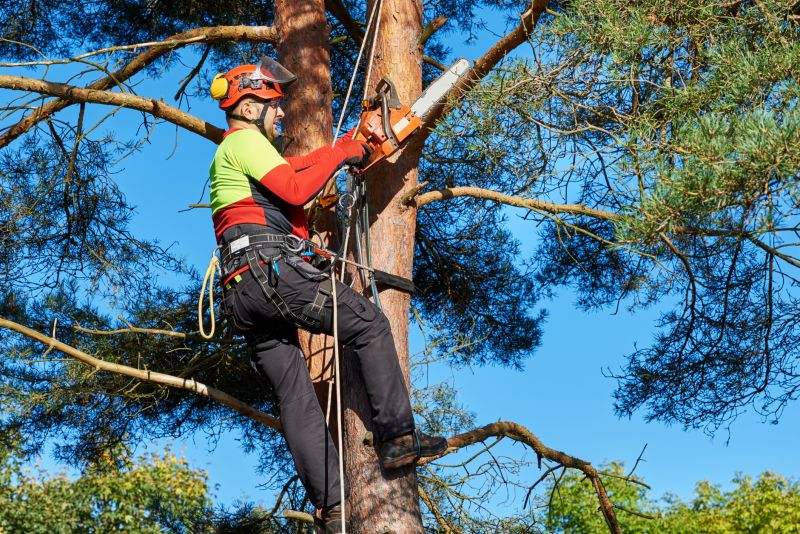
Arborist inspection services are often sought by property owners in Bergen County, NJ, who notice signs of potential tree issues on their land. Whether a tree has developed unusual cracks, dead branches, or shows signs of disease, local contractors can assess the health and stability of trees to prevent future problems. These inspections help homeowners identify risks that could lead to property damage or safety concerns, especially in an area where mature trees are common around homes and neighborhoods.
Additionally, property owners might look for arborist evaluations when planning landscaping or construction projects that involve trees. Whether trimming for aesthetic purposes, removing hazardous branches, or ensuring trees are healthy before new development, local service providers can offer expert assessments. Regular inspections can also be part of ongoing property maintenance, helping to preserve the safety and appearance of trees on Bergen County properties.
What is an arborist inspection? An arborist inspection involves a trained professional evaluating the health, structure, and safety of trees on a property in Bergen County and nearby areas.
Why should I consider an arborist inspection? An inspection can identify potential hazards, assess tree health, and help determine if any maintenance or removal is necessary to prevent future issues.
How do local contractors perform arborist inspections? They examine trees for signs of disease, structural problems, and stability, providing recommendations based on their assessment.
What types of trees are typically inspected during an arborist assessment? Commonly inspected trees include those near structures, in high-traffic areas, or trees showing visible signs of stress or decline.
Can an arborist inspection help with tree preservation? Yes, a professional evaluation can guide preservation efforts and inform decisions about pruning, treatment, or removal to maintain tree health.
Tree Health Assessments - Property owners can identify potential issues with trees on their property and plan for necessary care or removal.
Risk Evaluation for Large Trees - Homeowners can determine if nearby trees pose a safety risk to structures or people, especially during storms.
Maintenance Planning - Landowners can develop a schedule for pruning or other tree care tasks to keep trees healthy and safe.
Property Improvement Ideas - Property owners can explore options for removing or trimming trees to enhance landscape aesthetics or visibility.
If you are thinking about Arborist Inspection for a property in Bergen County, NJ, this guide is meant to help you understand the work, the typical project types, and how different options might fit your plans.
When you are ready, you can use the quote form on this page to share a few details about your project. From there, local pros can review the basics and respond with options that match what you have in mind.